01
Diastema closure with direct anterior restorations
Dr. Alessandro Conti · Dr. Alessandro Conti · Dr. Alessandro Conti · Dr. Alessandro Conti · Dr. Alessandro Conti · Dr. Alessandro Conti · Dr. Alessandro Conti · Dr. Alessandro Conti · Dr. Alessandro Conti · Dr. Alessandro Conti ·
Dr. Alessandro Conti · Dr. Alessandro Conti · Dr. Alessandro Conti · Dr. Alessandro Conti · Dr. Alessandro Conti · Dr. Alessandro Conti · Dr. Alessandro Conti · Dr. Alessandro Conti · Dr. Alessandro Conti · Dr. Alessandro Conti ·
Dr. Alessandro Conti · Dr. Alessandro Conti · Dr. Alessandro Conti · Dr. Alessandro Conti · Dr. Alessandro Conti · Dr. Alessandro Conti · Dr. Alessandro Conti · Dr. Alessandro Conti · Dr. Alessandro Conti · Dr. Alessandro Conti ·
Dr. Alessandro Conti · Dr. Alessandro Conti · Dr. Alessandro Conti · Dr. Alessandro Conti · Dr. Alessandro Conti · Dr. Alessandro Conti · Dr. Alessandro Conti · Dr. Alessandro Conti · Dr. Alessandro Conti · Dr. Alessandro Conti ·
Dr. Alessandro Conti · Dr. Alessandro Conti · Dr. Alessandro Conti · Dr. Alessandro Conti · Dr. Alessandro Conti · Dr. Alessandro Conti · Dr. Alessandro Conti · Dr. Alessandro Conti · Dr. Alessandro Conti · Dr. Alessandro Conti ·
Dr. Alessandro Conti · Dr. Alessandro Conti · Dr. Alessandro Conti · Dr. Alessandro Conti · Dr. Alessandro Conti · Dr. Alessandro Conti · Dr. Alessandro Conti · Dr. Alessandro Conti · Dr. Alessandro Conti · Dr. Alessandro Conti ·
Dr. Alessandro Conti · Dr. Alessandro Conti · Dr. Alessandro Conti · Dr. Alessandro Conti · Dr. Alessandro Conti · Dr. Alessandro Conti · Dr. Alessandro Conti · Dr. Alessandro Conti · Dr. Alessandro Conti · Dr. Alessandro Conti ·
Dr. Alessandro Conti · Dr. Alessandro Conti · Dr. Alessandro Conti · Dr. Alessandro Conti · Dr. Alessandro Conti · Dr. Alessandro Conti · Dr. Alessandro Conti · Dr. Alessandro Conti · Dr. Alessandro Conti · Dr. Alessandro Conti ·
Dr. Alessandro Conti · Dr. Alessandro Conti · Dr. Alessandro Conti · Dr. Alessandro Conti · Dr. Alessandro Conti · Dr. Alessandro Conti · Dr. Alessandro Conti · Dr. Alessandro Conti · Dr. Alessandro Conti · Dr. Alessandro Conti ·
Dr. Alessandro Conti · Dr. Alessandro Conti · Dr. Alessandro Conti · Dr. Alessandro Conti · Dr. Alessandro Conti · Dr. Alessandro Conti · Dr. Alessandro Conti · Dr. Alessandro Conti · Dr. Alessandro Conti · Dr. Alessandro Conti ·
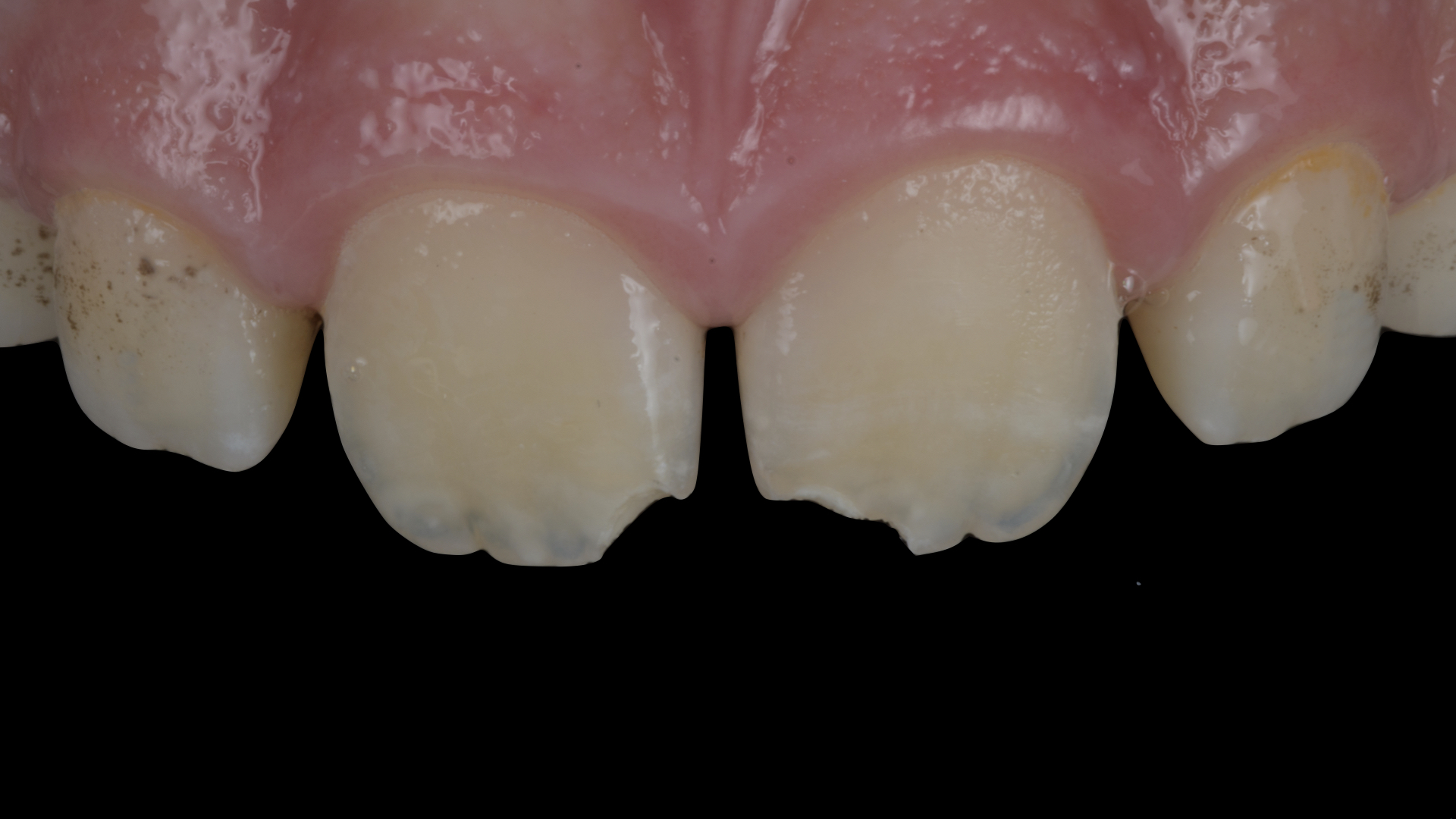
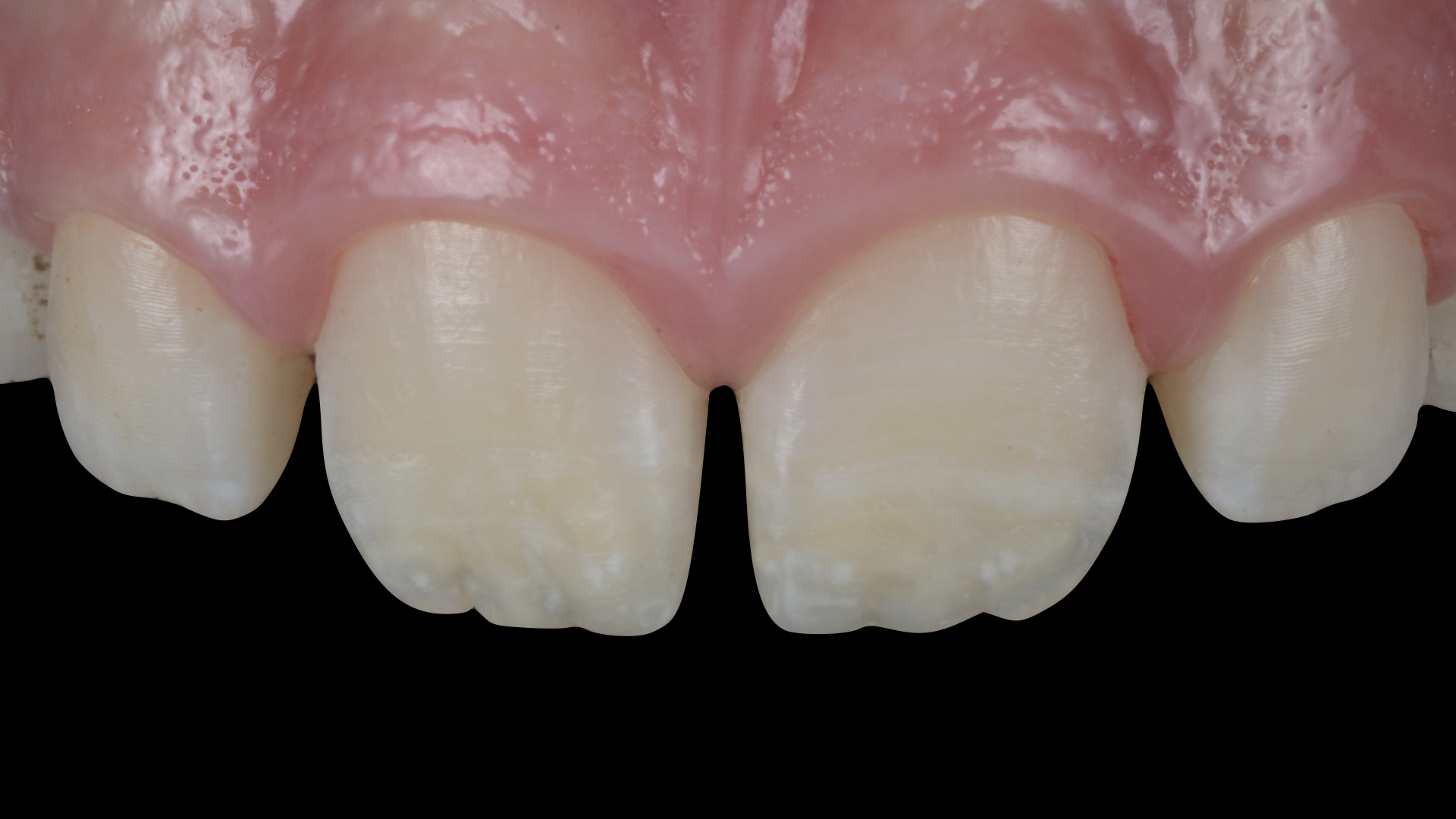
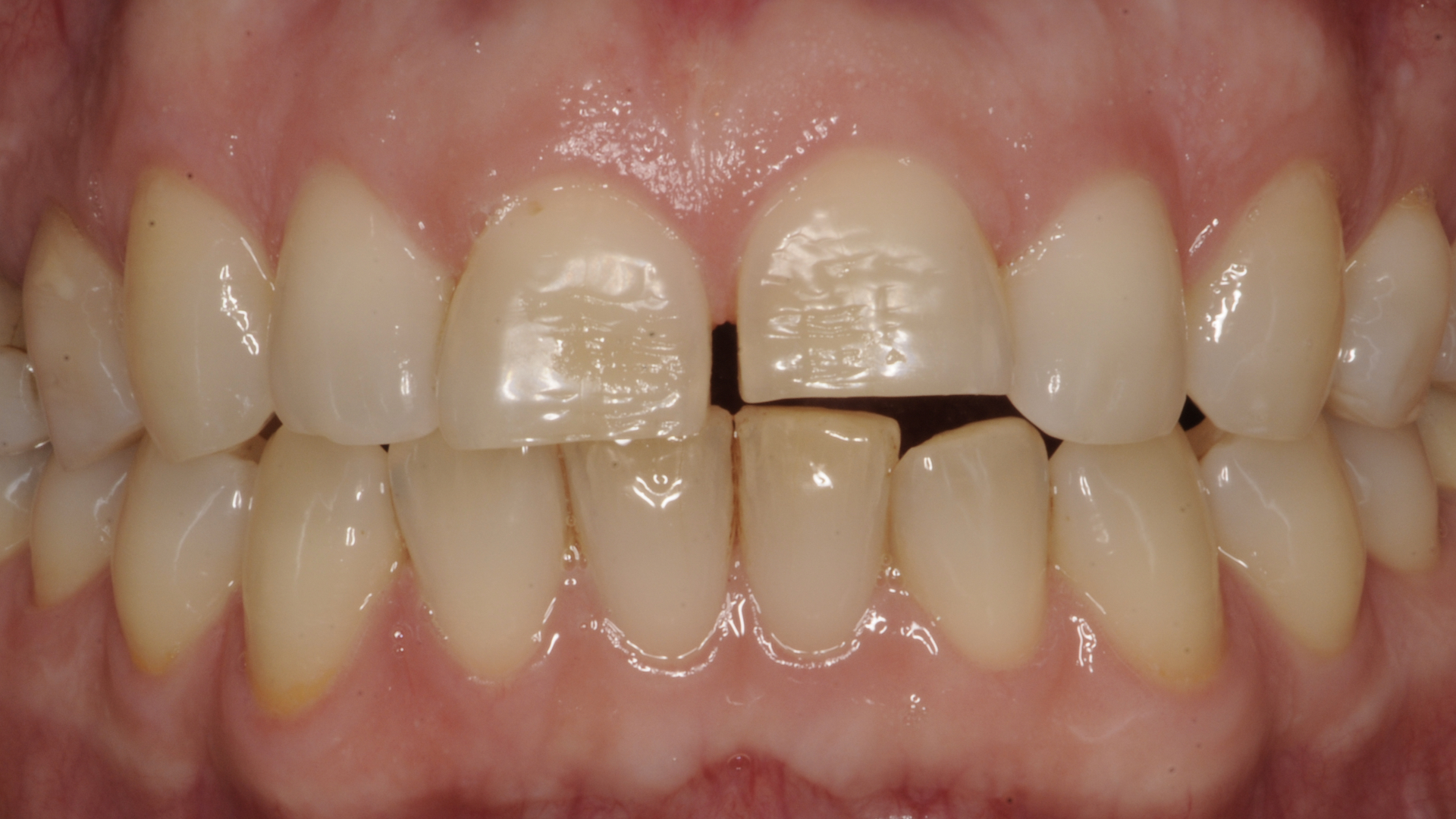
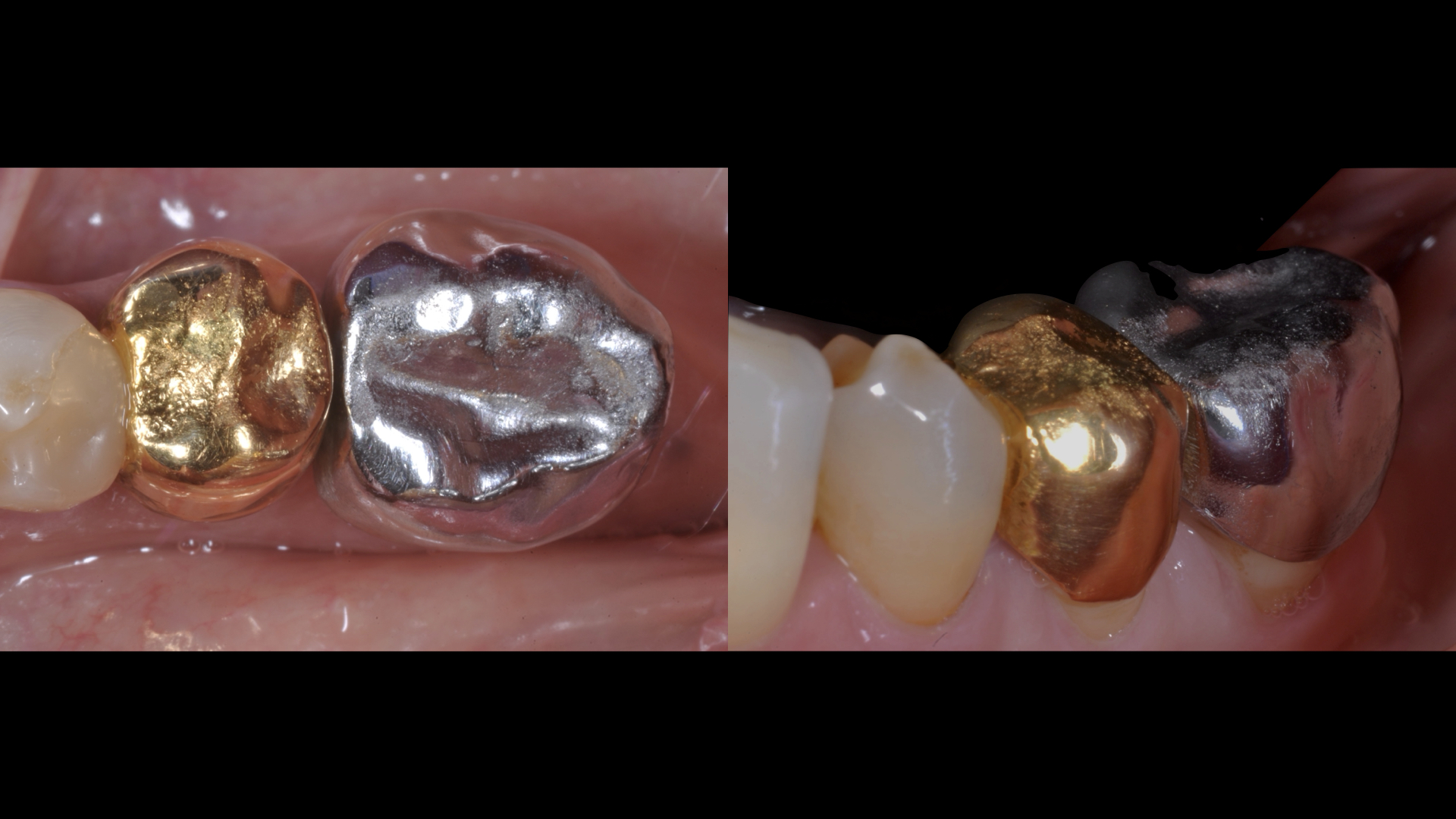
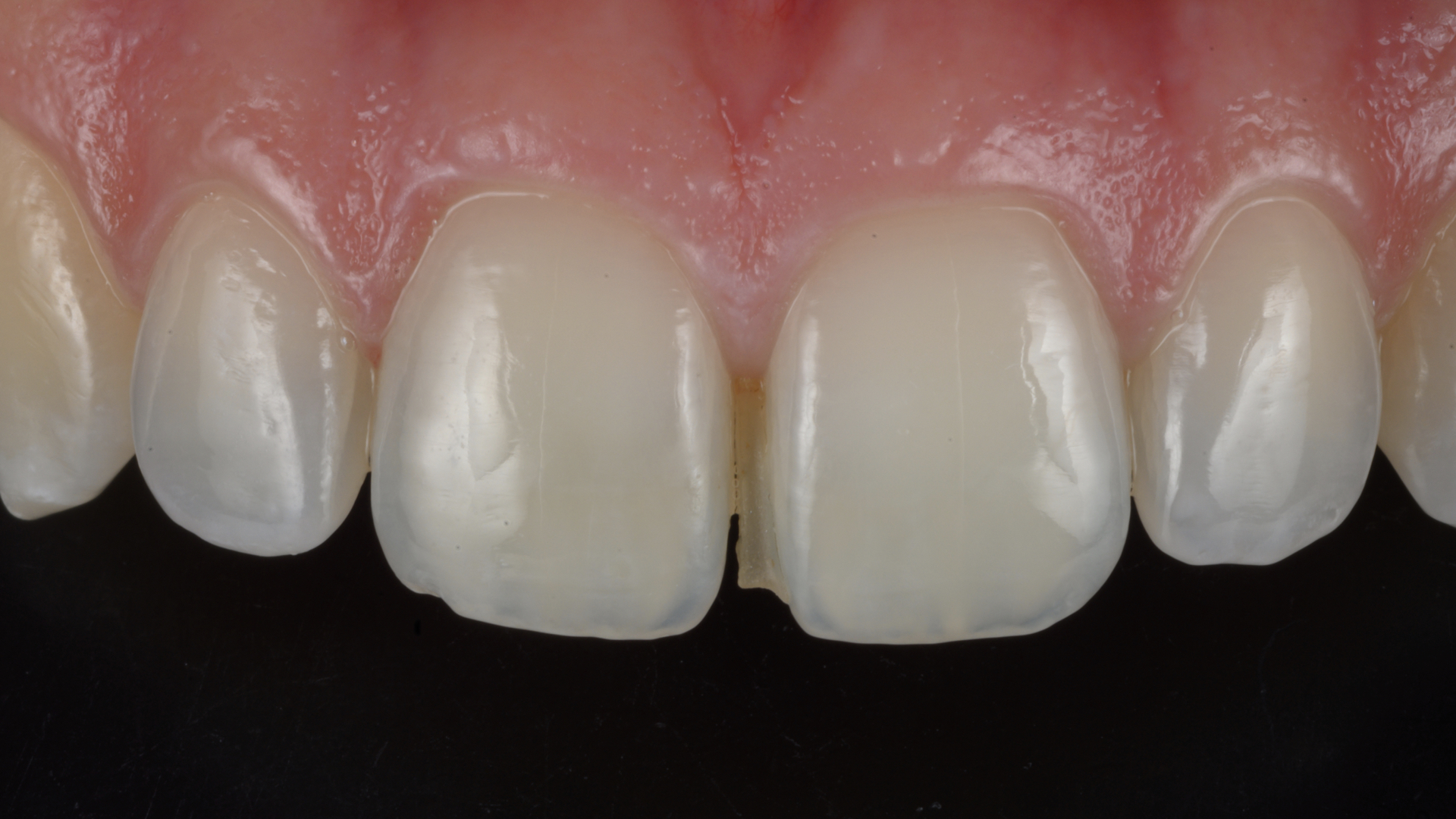
Before
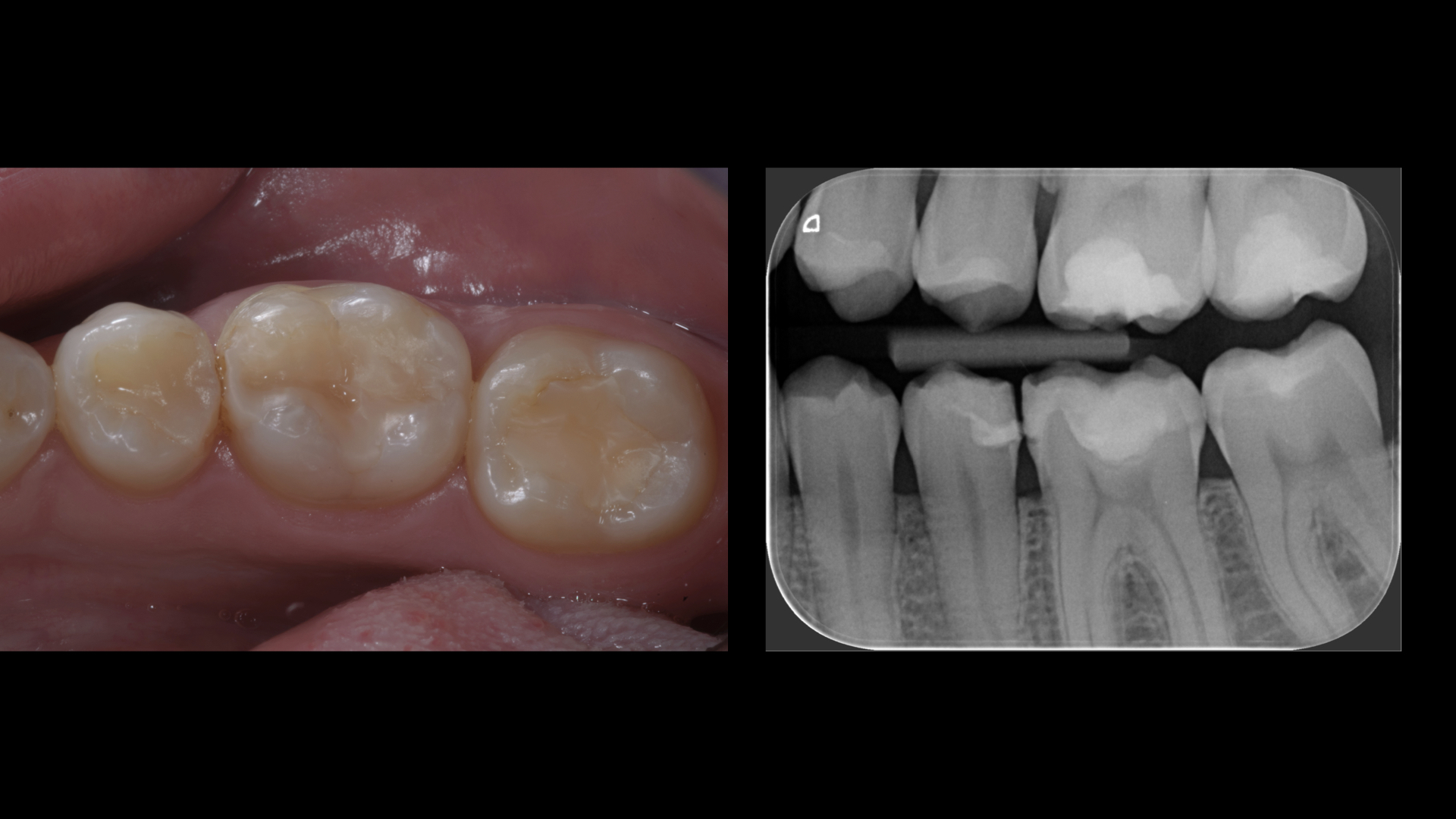
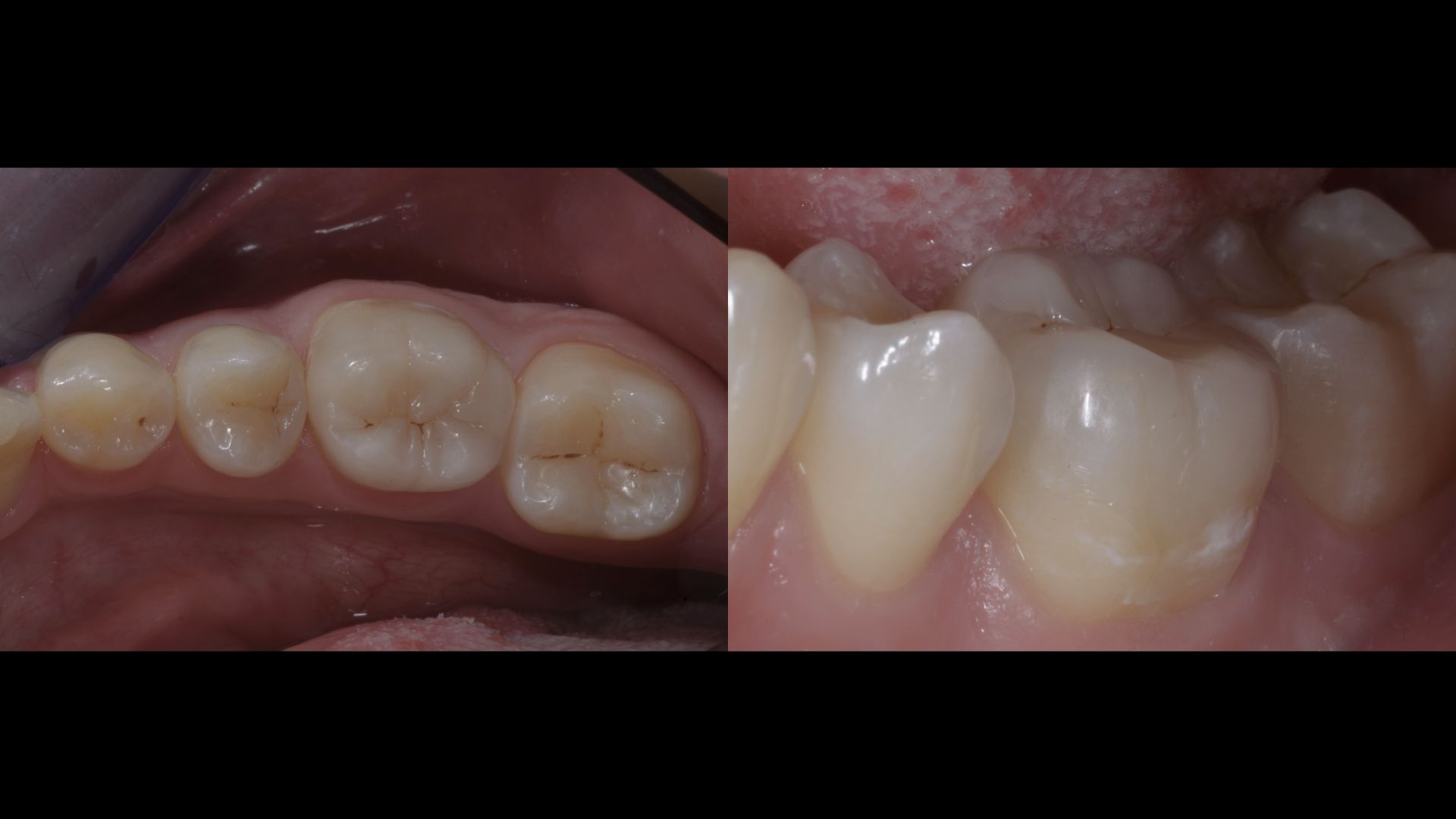
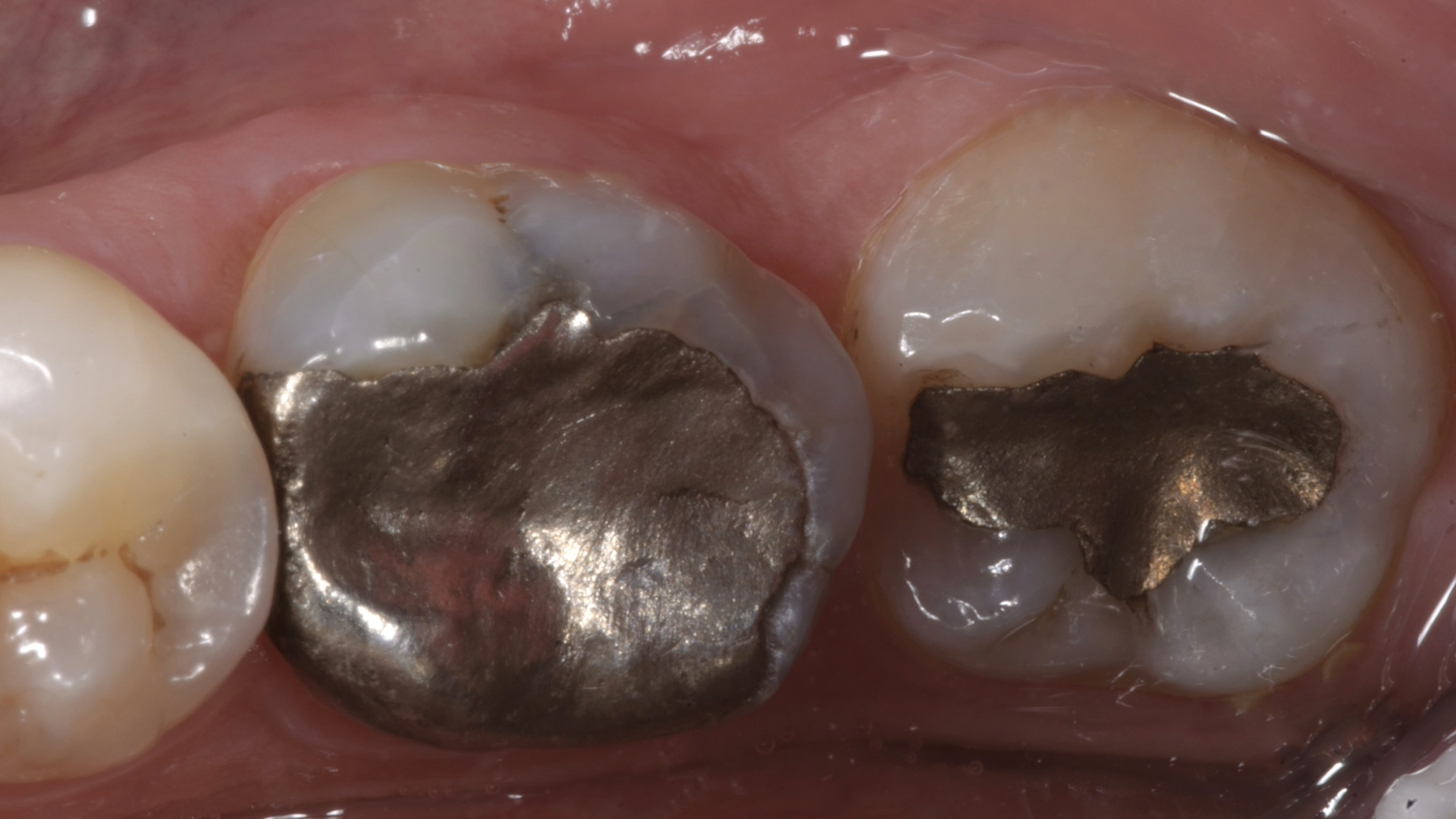
A visible gap between the two upper central incisors. Treatment was designed to improve the harmony of the smile while respecting the natural shape of the teeth, without prosthetic procedures.
Dr. Alessandro Conti · Dr. Alessandro Conti · Dr. Alessandro Conti · Dr. Alessandro Conti · Dr. Alessandro Conti · Dr. Alessandro Conti · Dr. Alessandro Conti · Dr. Alessandro Conti · Dr. Alessandro Conti · Dr. Alessandro Conti ·
Dr. Alessandro Conti · Dr. Alessandro Conti · Dr. Alessandro Conti · Dr. Alessandro Conti · Dr. Alessandro Conti · Dr. Alessandro Conti · Dr. Alessandro Conti · Dr. Alessandro Conti · Dr. Alessandro Conti · Dr. Alessandro Conti ·
Dr. Alessandro Conti · Dr. Alessandro Conti · Dr. Alessandro Conti · Dr. Alessandro Conti · Dr. Alessandro Conti · Dr. Alessandro Conti · Dr. Alessandro Conti · Dr. Alessandro Conti · Dr. Alessandro Conti · Dr. Alessandro Conti ·
Dr. Alessandro Conti · Dr. Alessandro Conti · Dr. Alessandro Conti · Dr. Alessandro Conti · Dr. Alessandro Conti · Dr. Alessandro Conti · Dr. Alessandro Conti · Dr. Alessandro Conti · Dr. Alessandro Conti · Dr. Alessandro Conti ·
Dr. Alessandro Conti · Dr. Alessandro Conti · Dr. Alessandro Conti · Dr. Alessandro Conti · Dr. Alessandro Conti · Dr. Alessandro Conti · Dr. Alessandro Conti · Dr. Alessandro Conti · Dr. Alessandro Conti · Dr. Alessandro Conti ·
Dr. Alessandro Conti · Dr. Alessandro Conti · Dr. Alessandro Conti · Dr. Alessandro Conti · Dr. Alessandro Conti · Dr. Alessandro Conti · Dr. Alessandro Conti · Dr. Alessandro Conti · Dr. Alessandro Conti · Dr. Alessandro Conti ·
Dr. Alessandro Conti · Dr. Alessandro Conti · Dr. Alessandro Conti · Dr. Alessandro Conti · Dr. Alessandro Conti · Dr. Alessandro Conti · Dr. Alessandro Conti · Dr. Alessandro Conti · Dr. Alessandro Conti · Dr. Alessandro Conti ·
Dr. Alessandro Conti · Dr. Alessandro Conti · Dr. Alessandro Conti · Dr. Alessandro Conti · Dr. Alessandro Conti · Dr. Alessandro Conti · Dr. Alessandro Conti · Dr. Alessandro Conti · Dr. Alessandro Conti · Dr. Alessandro Conti ·
Dr. Alessandro Conti · Dr. Alessandro Conti · Dr. Alessandro Conti · Dr. Alessandro Conti · Dr. Alessandro Conti · Dr. Alessandro Conti · Dr. Alessandro Conti · Dr. Alessandro Conti · Dr. Alessandro Conti · Dr. Alessandro Conti ·
Dr. Alessandro Conti · Dr. Alessandro Conti · Dr. Alessandro Conti · Dr. Alessandro Conti · Dr. Alessandro Conti · Dr. Alessandro Conti · Dr. Alessandro Conti · Dr. Alessandro Conti · Dr. Alessandro Conti · Dr. Alessandro Conti ·
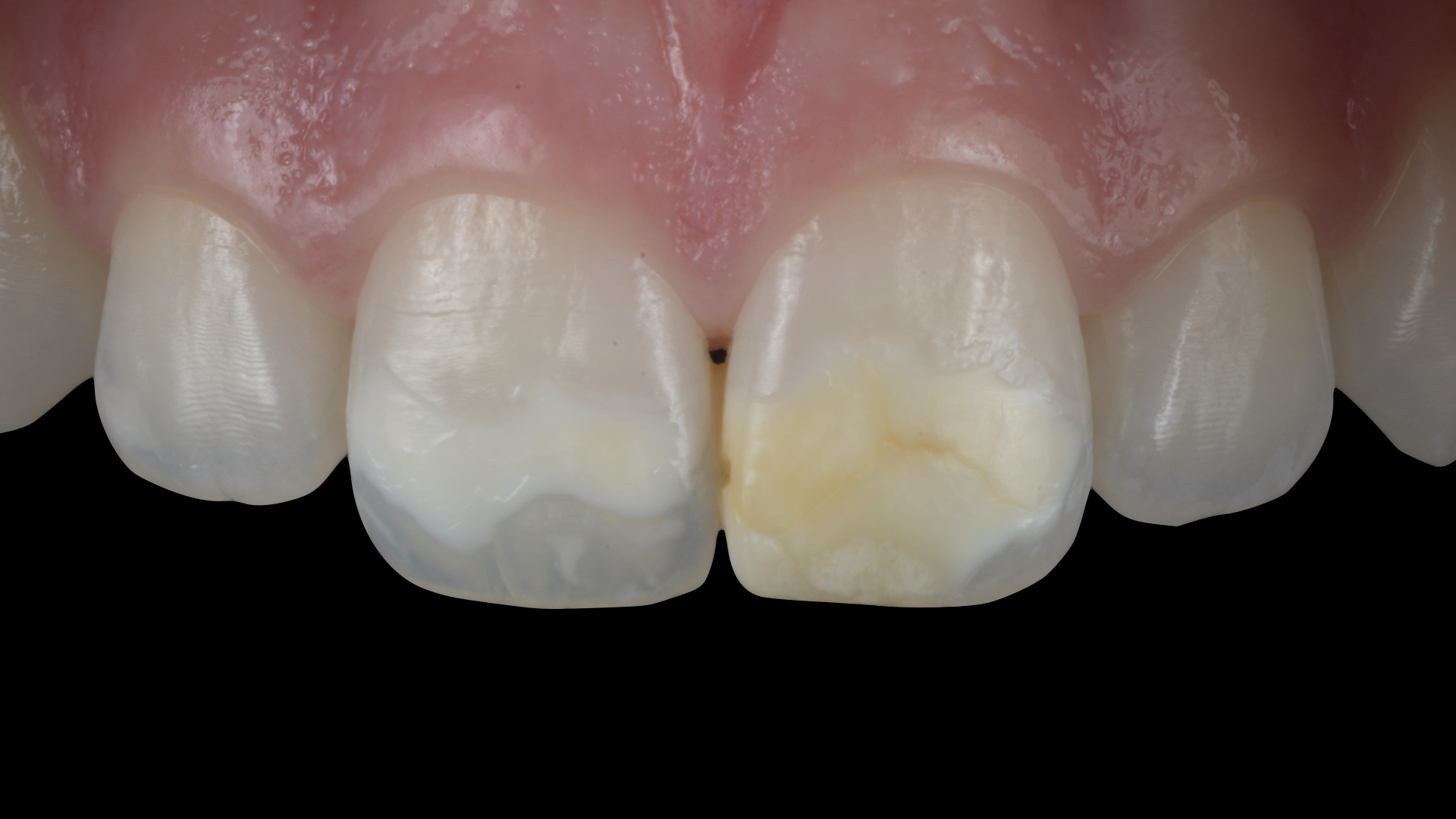
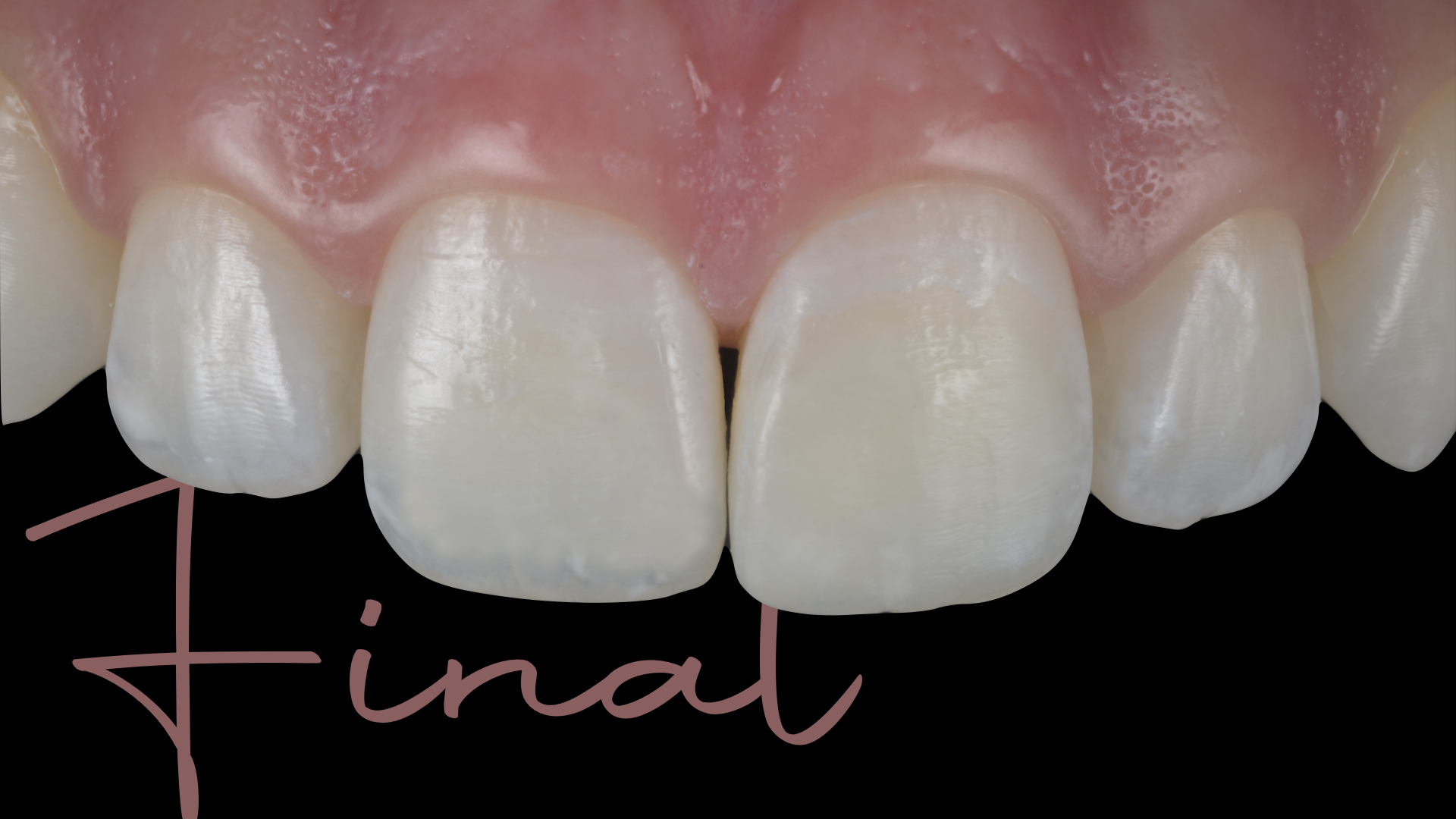
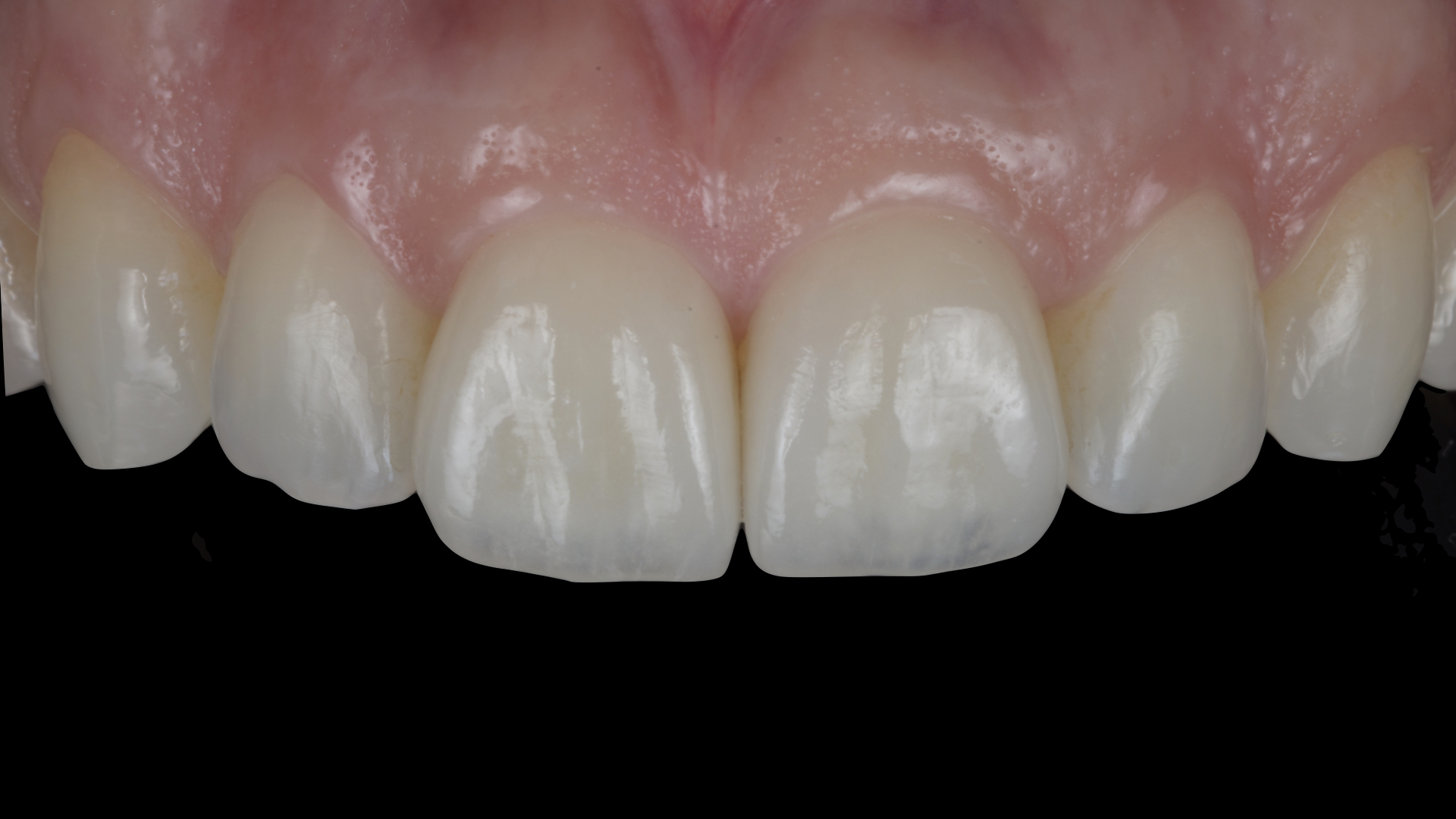
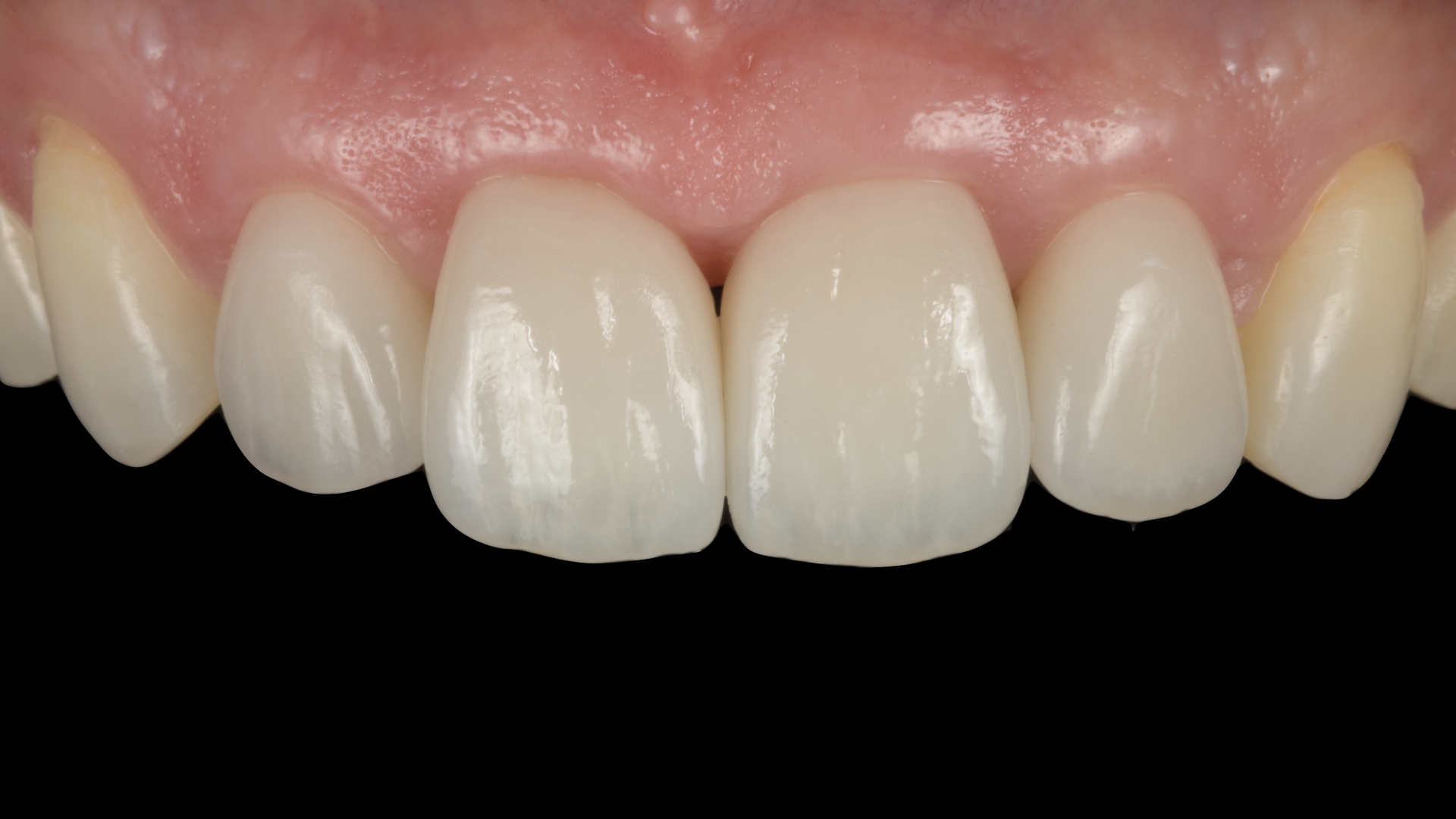
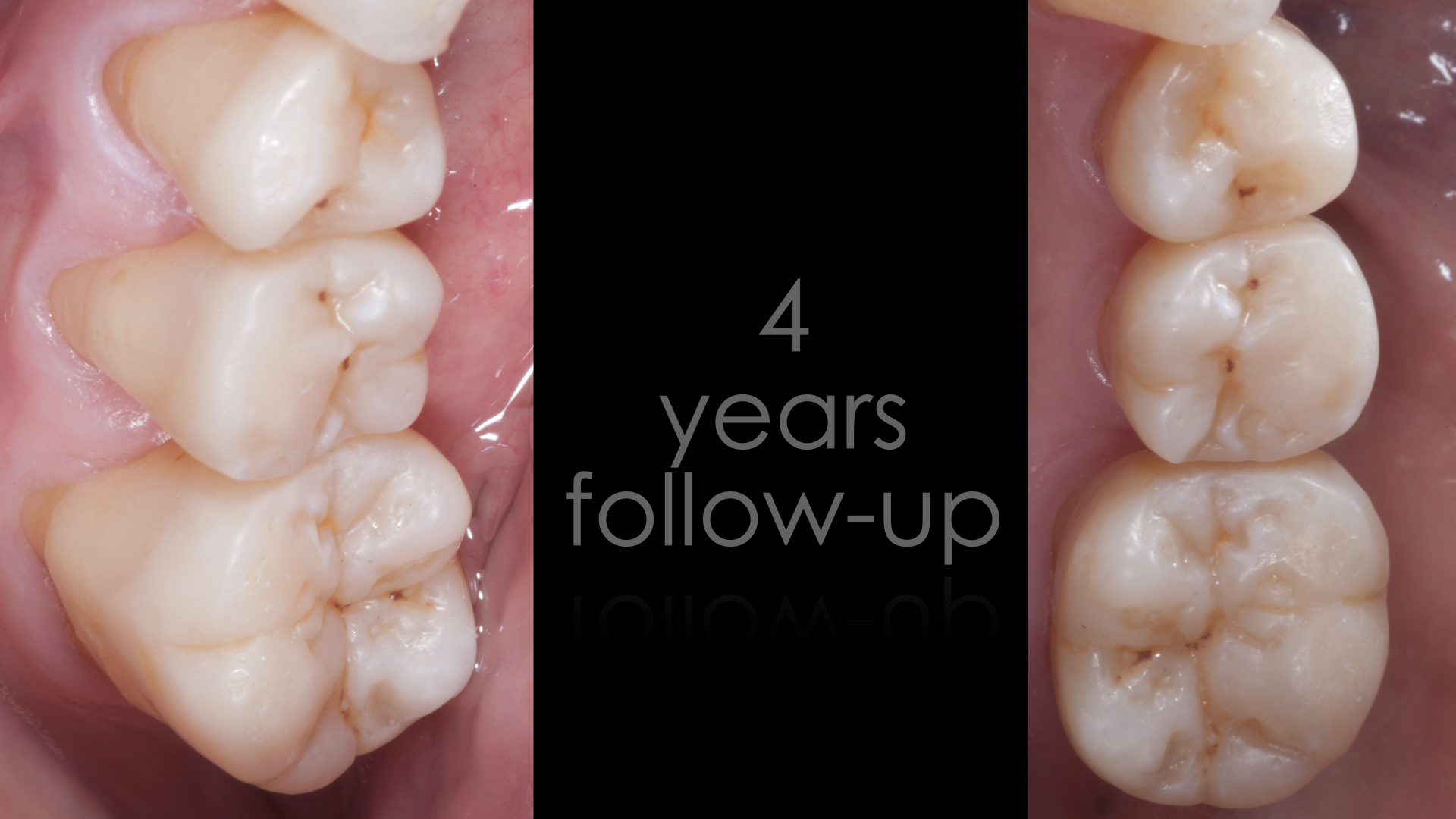
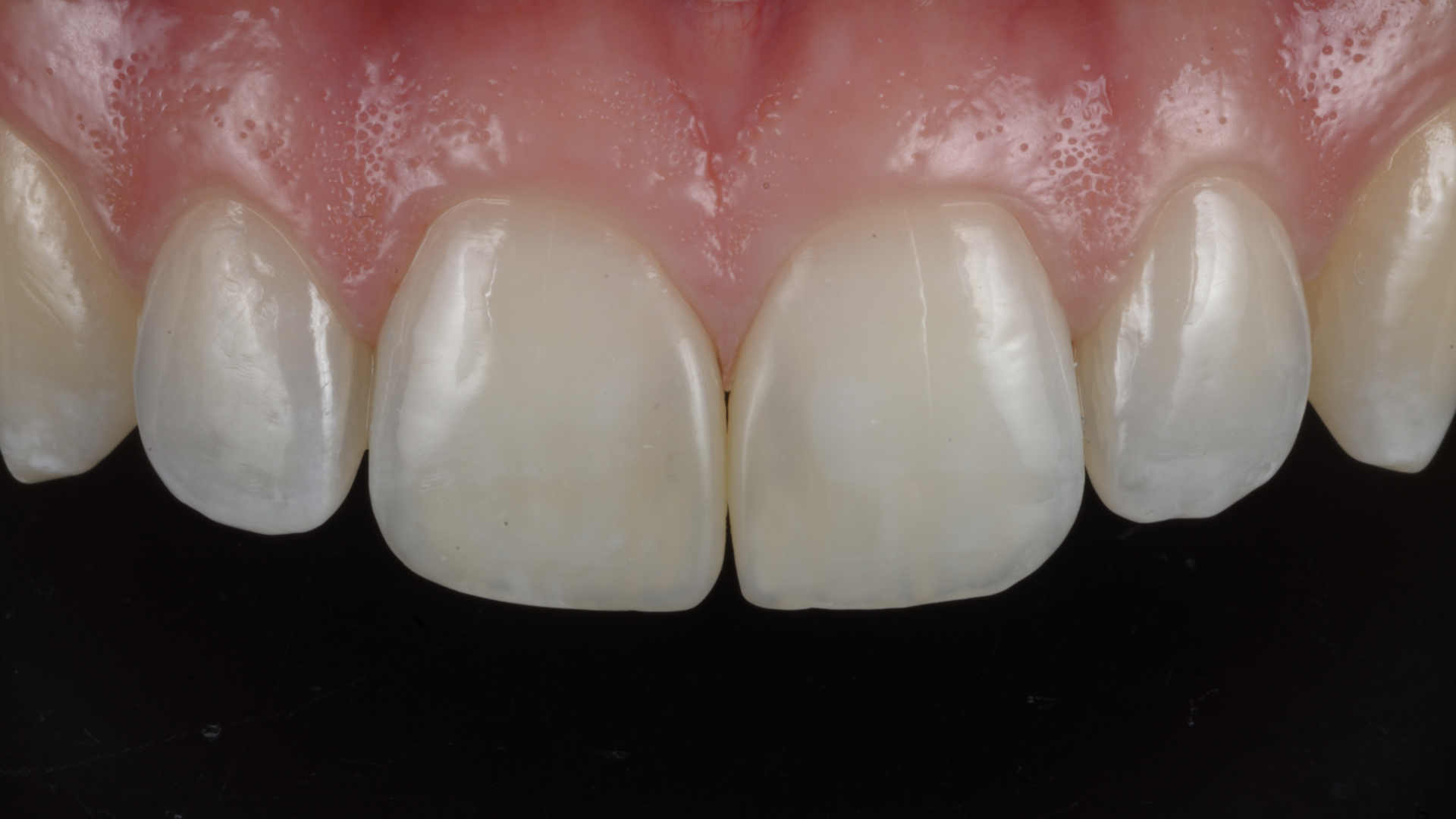
After
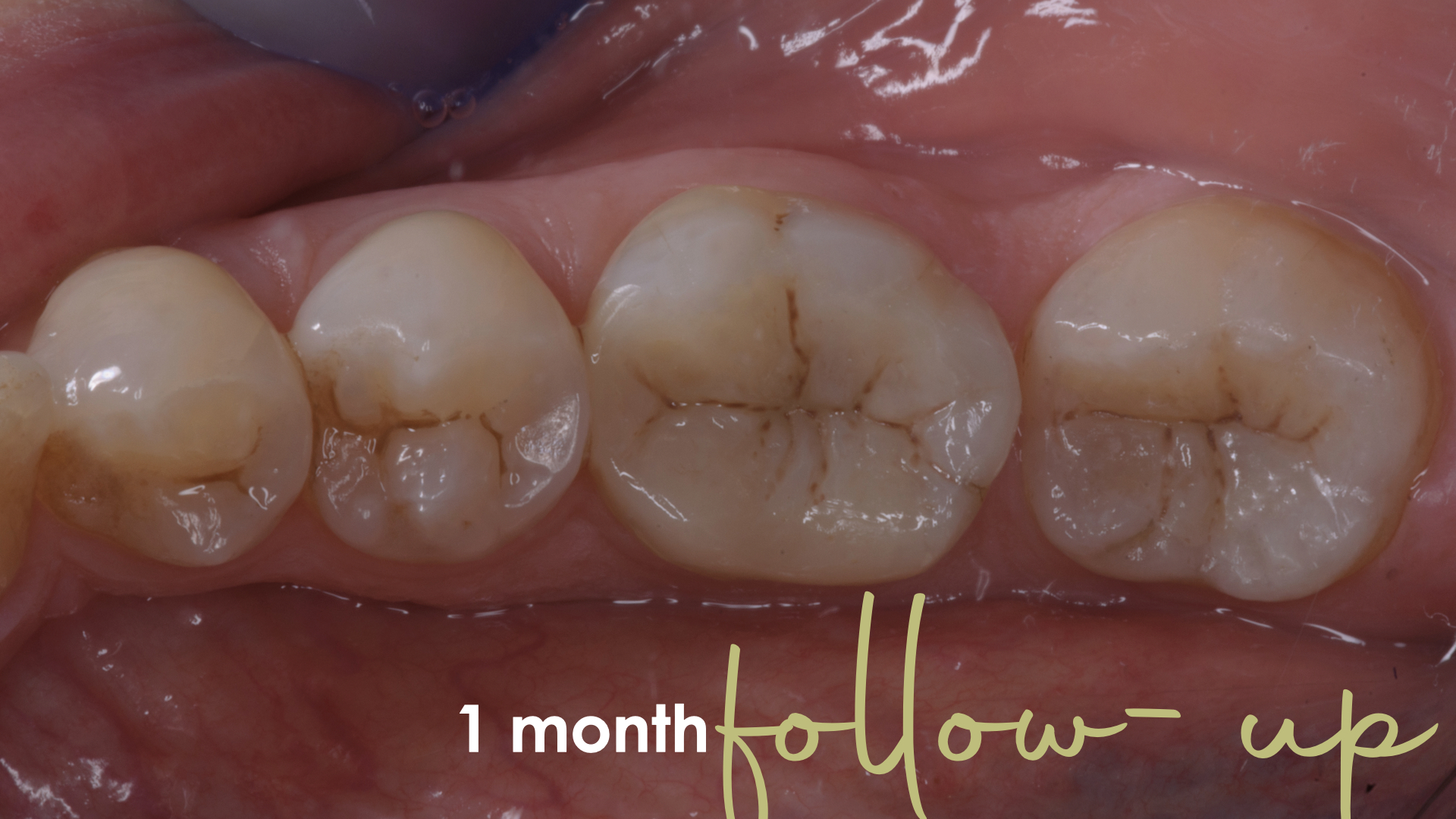
The diastema was closed with direct composite restorations, recreating natural proportions, shape and contacts between the two incisors. The result is a more harmonious, natural-looking smile.