01 / Trattamenti
Alessandria, Italy
- Dr. Domenico Massironi
- Dr. Roberto Rossi
- Dr. Carlo Ghezzi
Restorations as healthy as they are beautiful
Anterior direct restorationsPosterior direct restorationsCeramic veneers
Restorative
Restorative dentistry
Restorative
Restorative
dentistry
Restorations that are
as healthy as they are beautiful
Restorations that are
as healthy as they are beautiful
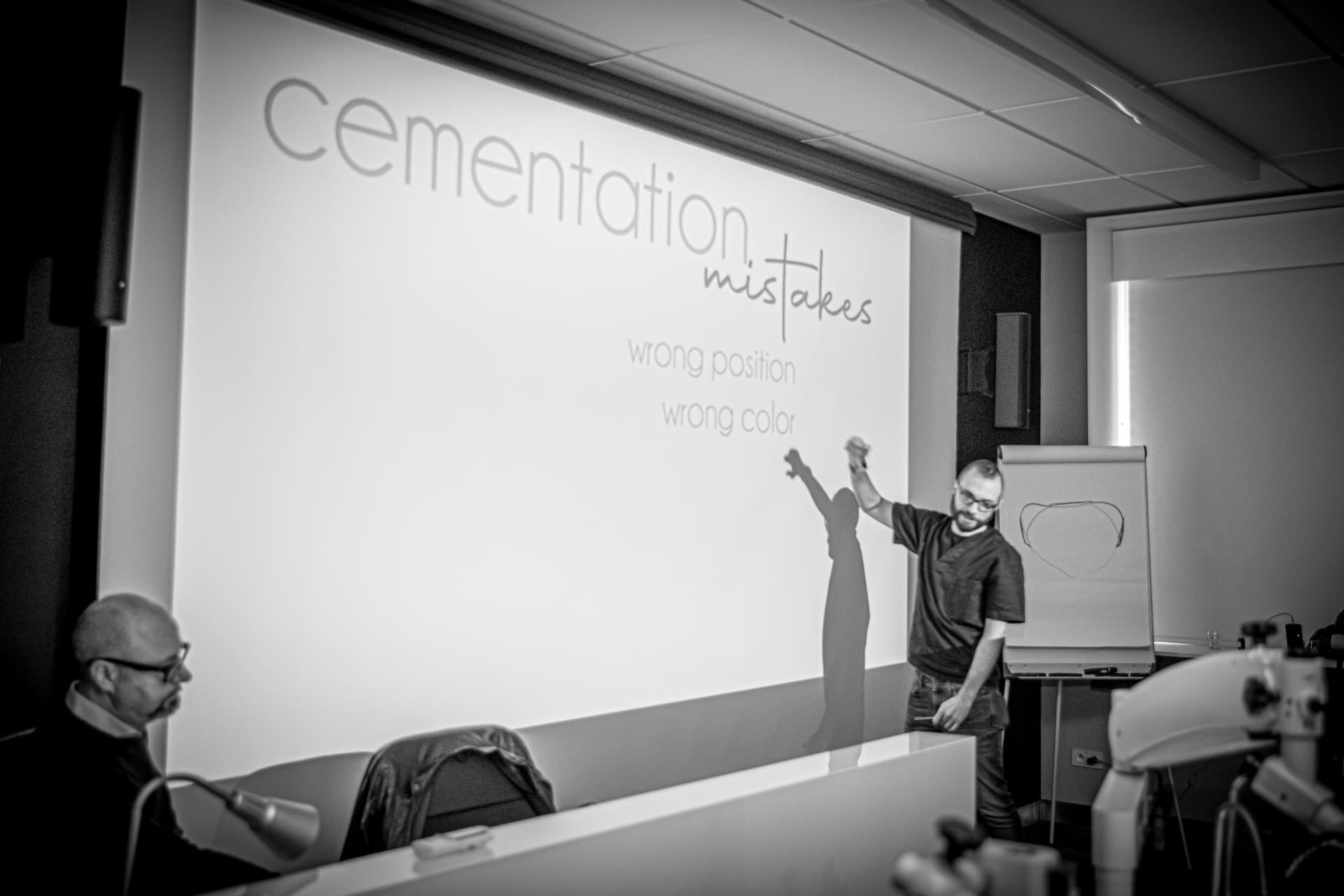
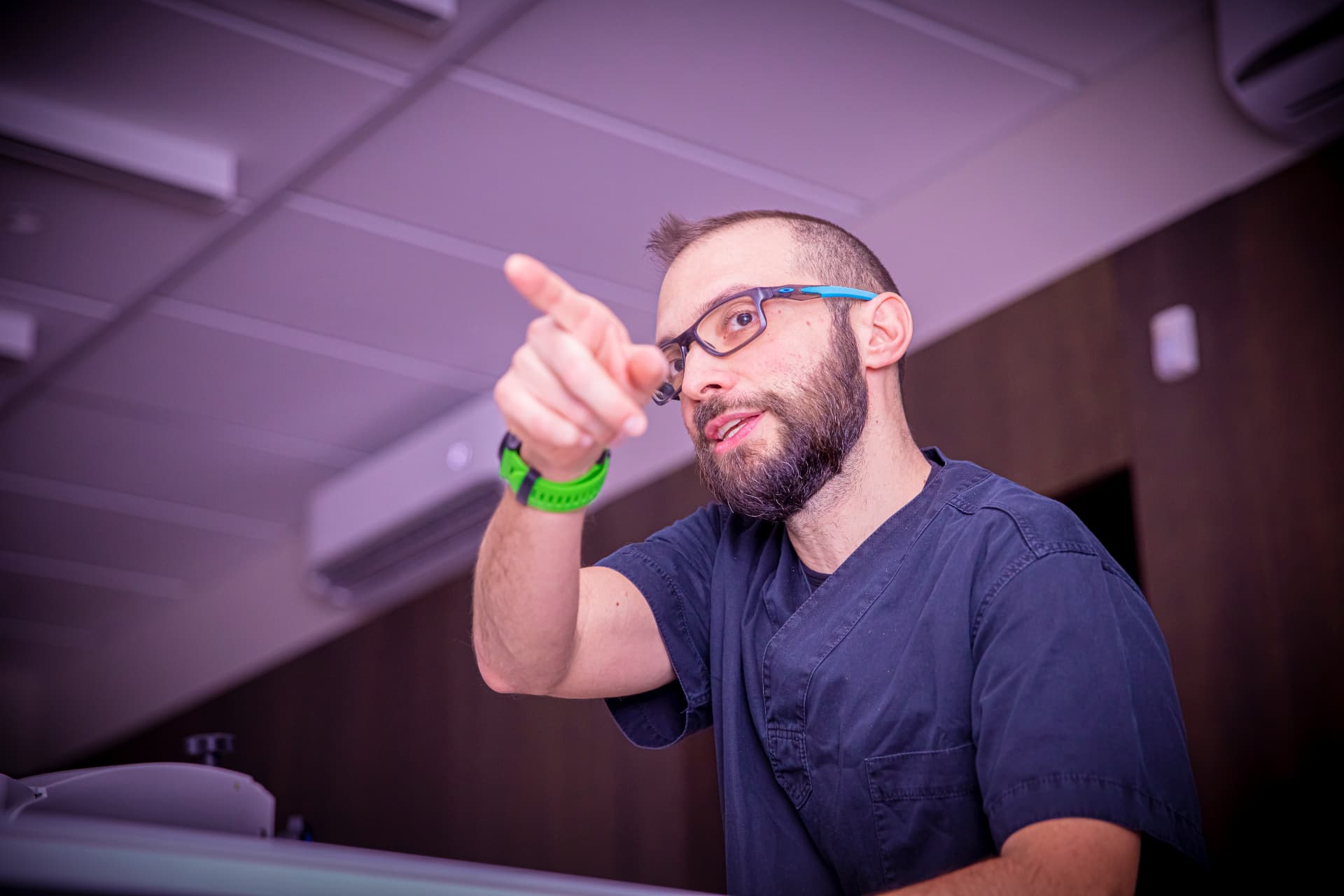
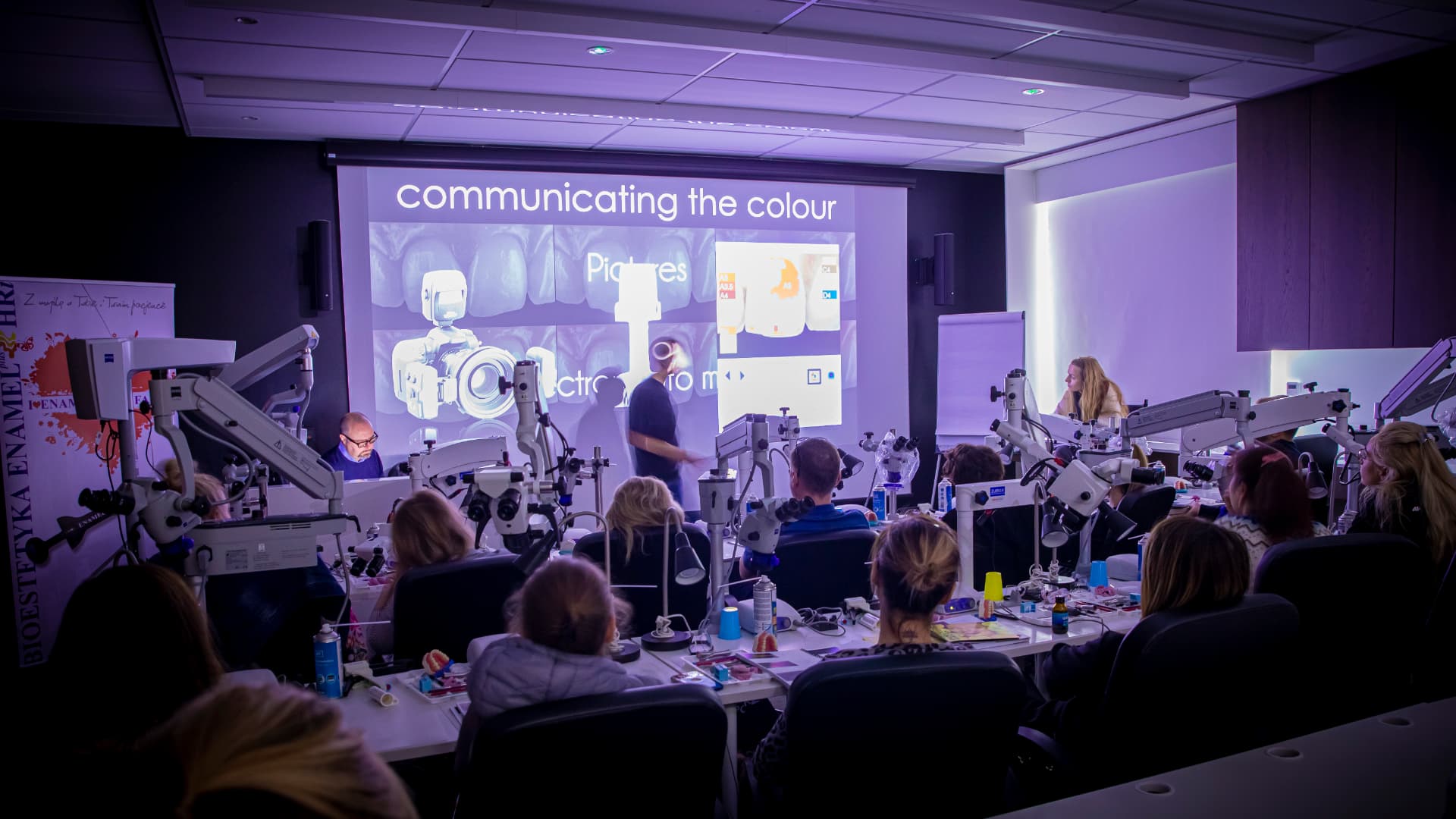
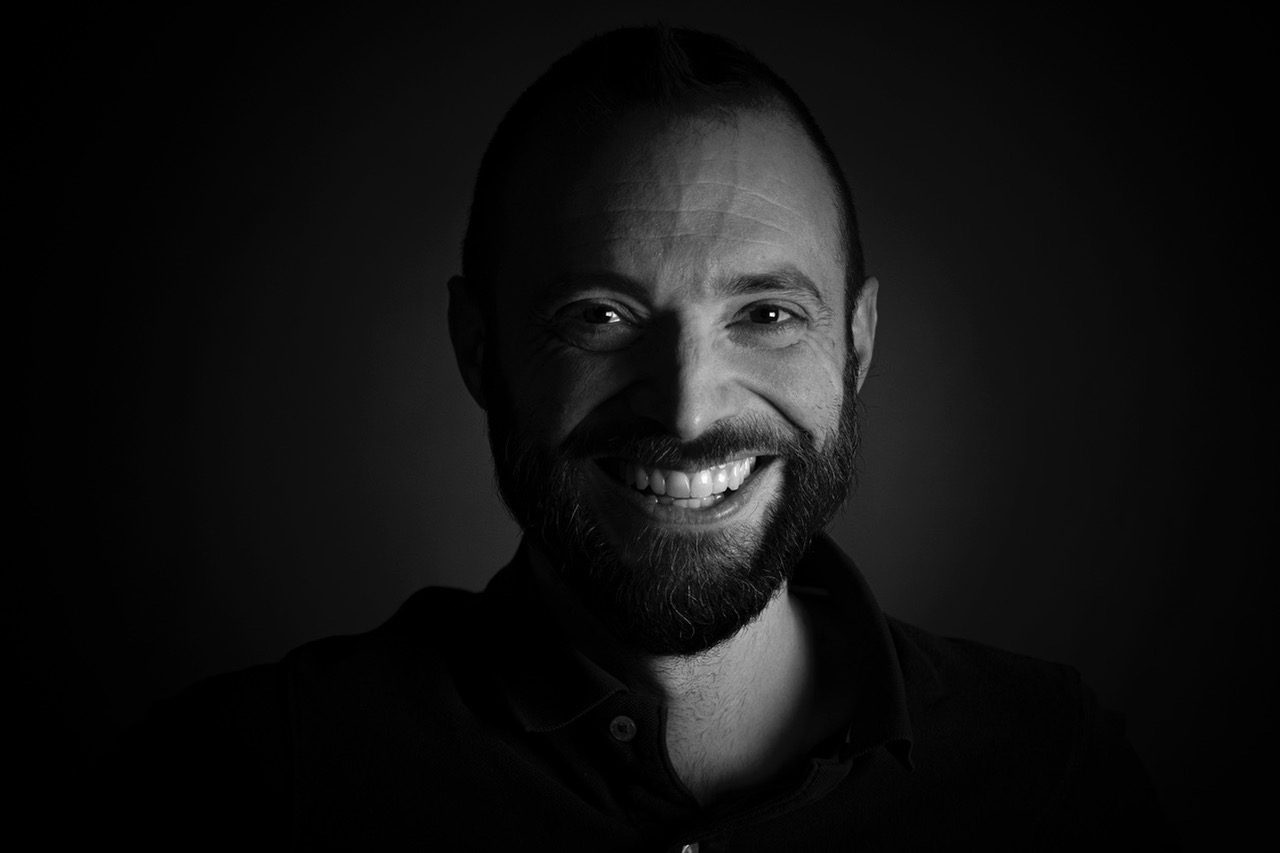
Adjunct professor at the University of Pavia (Department of Restorative Dentistry) and visiting professor from 2018 to 2021 at the Eastman Dental Institute (UCL – London). Speaker at courses and congresses in Italy and abroad, author of papers in peer-reviewed journals. Clinical practice is limited to conservative dentistry and prosthodontics.
My goal
to preserve as much natural tooth as possible and deliver restorations that last, indistinguishable from what nature already made.
02 / Trattamenti
Posterior direct restorations
03 / Trattamenti
Ceramic veneers
About
Degree in Dentistry magna cum laude at the University of Pavia.
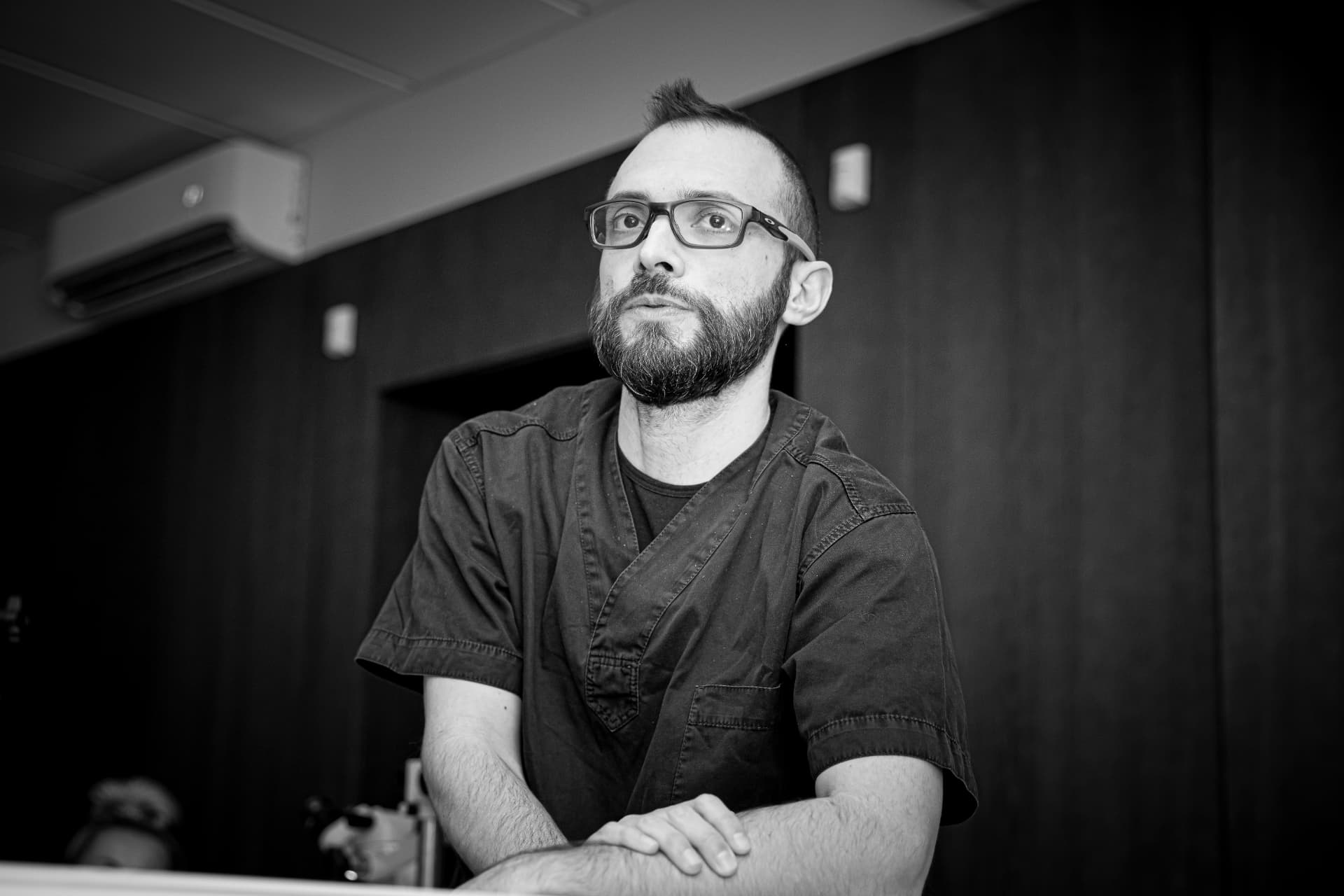
Adjunct professor at the University of Pavia (Department of Restorative Dentistry) and visiting professor from 2018 to 2021 at the Eastman Dental Institute (UCL – London). Speaker at courses and congresses in Italy and abroad, author of papers in peer-reviewed journals. Clinical practice is limited to conservative dentistry and prosthodontics.
AIC
Active member · Conservative Dentistry
IAED
Active member · Esthetic Dentistry
BAMD
Ambassador · Microscope Dentistry
What
Restoring teeth damaged by decay, trauma, wear or previous restorations, preserving as much natural tooth structure as possible. Treatments fall into five main areas.
What
Restorations built directly on the tooth with esthetic composite materials, shaped and layered chairside.
- decay
- fractures or trauma
- loss of part of the tooth
- worn old restorations
Anterior direct restorations
What
Build-ups used when part of the tooth has been lost but it can still be rebuilt directly in the mouth.
- decay
- small to medium loss of tooth tissue
- fractures
- old restorations to be replaced
Posterior direct restorations
What
Thin restorations made outside the mouth and adhesively bonded to the tooth surface, in feldspathic ceramic or lithium disilicate.
- tooth shape
- colour
- proportions
- wear
Ceramic veneers
What
Restorations made in the laboratory and then adhesively bonded to the tooth, when tissue loss is too extensive for a direct restoration.
- extensive decay
- large old restorations
- fractures
- significant loss of tooth tissue
Composite or ceramic inlays
What
For patients with extensive tissue loss, severe wear or many compromised teeth, combining direct and indirect restorations, crowns and bridges.
- marked abrasion or tooth wear
- significant loss of tooth structure
- many compromised teeth
- old prosthetic work to be replaced
Complex and prosthetic rehabilitations
01Anterior direct restorations
Composite layered in the mouth
Restorations built directly on the tooth with esthetic composite materials, shaped and layered chairside.
When it is indicated
- decay
- fractures or trauma
- loss of part of the tooth
- worn old restorations
- shape alterations
- small esthetic imperfections
- enamel wear
How it is done
- 1Removal of decayed tissue or old restoration
- 2Conservative tooth preparation
- 3Isolation of the operating field
- 4Adhesive treatment of the tooth surface
- 5Layered application of the composite
- 6Rebuilding of shape and anatomy
- 7Definition of colour, translucency and surface
- 8Finishing and polishing
The goal is a functional and esthetic restoration, integrated as closely as possible with the natural tooth.
02Posterior direct restorations
Premolars and molars
Build-ups used when part of the tooth has been lost but it can still be rebuilt directly in the mouth.
When it is indicated
- decay
- small to medium loss of tooth tissue
- fractures
- old restorations to be replaced
- tooth wear
- lesions on one or more tooth surfaces
How it is done
- 1Removal of decay or of the old restoration
- 2Preservation of sound tooth structure
- 3Tooth preparation and field isolation
- 4Application of adhesive protocols
- 5Placement of composite in layers
- 6Rebuilding of walls, cusps and occlusal anatomy
- 7Check of contacts and occlusion
- 8Finishing and polishing
The tooth regains shape, function and strength while preserving as much natural tissue as possible.
03Ceramic veneers
Anterior indirect restorations
Thin restorations made outside the mouth and adhesively bonded to the tooth surface, in feldspathic ceramic or lithium disilicate.
When it is indicated
- tooth shape
- colour
- proportions
- wear
- fractures
- enamel alterations
- compromised previous restorations
How it is done
- 1Analysis and design of teeth, smile, function and occlusion
- 2Minimal, controlled preparation when indicated
- 3Impression or digital scan
- 4Fabrication of the veneers in the laboratory
- 5Clinical try-in
- 6Adhesive bonding
- 7Final check of esthetics, function and occlusion
The goal is not to cover the teeth, but to rebuild a balance between esthetics, function and preservation of tooth structure.
04Composite or ceramic inlays
Posterior indirect restorations
Restorations made in the laboratory and then adhesively bonded to the tooth, when tissue loss is too extensive for a direct restoration.
When it is indicated
- extensive decay
- large old restorations
- fractures
- significant loss of tooth tissue
- restored teeth needing a wider rebuild
- need for precise control of shape and function
How it is done
- 1Diagnosis and planning
- 2Removal of compromised tissue
- 3Tooth preparation
- 4Impression or digital scan
- 5Laboratory fabrication
- 6Try-in of fit, contacts and occlusion
- 7Adhesive bonding
- 8Final check and finishing
Choosing between a direct and an indirect restoration depends on residual tissue, tooth position, function and occlusion.
05Complex and prosthetic rehabilitations
Full arches
For patients with extensive tissue loss, severe wear or many compromised teeth, combining direct and indirect restorations, crowns and bridges.
When it is indicated
- marked abrasion or tooth wear
- significant loss of tooth structure
- many compromised teeth
- old prosthetic work to be replaced
- loss or alteration of vertical dimension
- altered chewing function
- need to re-establish a new occlusal scheme
How it is done
- 1Initial analysis of teeth, gums, joint, muscles and occlusion
- 2Design of functional and esthetic goals
- 3Provisional trial phase to verify esthetics and function
- 4Rebuilding of teeth with direct restorations, inlays, veneers, crowns or bridges
- 5Re-establishment of occlusion within an overall plan
- 6Periodic checks and maintenance
When restoring a tooth is no longer enough, a function has to be restored.
Clinical cases
Before and after
One representative case for each treatment area. The images are clinical documentation from the practice: every situation is different and results are never automatically reproducible.
01
Fractured central incisor
Direct restoration · single visit
Anterior direct restorations
Before — Fractured central incisor
Before
Fractured incisal edge after a sports injury.
After — Fractured central incisor
After
Layered composite build-up completed in a single appointment.
02
Replacement of an old amalgam
Direct restoration · single visit
Posterior direct restorations
Before — Replacement of an old amalgam
Before
Leaking amalgam restoration on a lower molar.
After — Replacement of an old amalgam
After
New composite restoration with rebuilt occlusal anatomy.
03
Harmonising the anterior sector
Indirect restoration · three appointments
Ceramic veneers
Before — Harmonising the anterior sector
Before
Worn anterior teeth with uneven shapes and proportions.
After — Harmonising the anterior sector
After
Six feldspathic ceramic veneers, adhesively bonded.
04
Molar with extensive structure loss
Indirect restoration · two appointments
Composite or ceramic inlays
Before — Molar with extensive structure loss
Before
Cusp fracture on a previously restored molar.
After — Molar with extensive structure loss
After
Adhesively bonded ceramic inlay.
05
Generalised wear of both arches
Rehabilitation · multi-stage plan
Complex and prosthetic rehabilitations
Before — Generalised wear of both arches
Before
Loss of vertical dimension and severely worn teeth.
After — Generalised wear of both arches
After
Full rehabilitation with adhesive restorations and fixed prosthodontics.
Images published with patient consent. No image is edited or retouched.
The path
Degree magna cum laude
Degree in Dentistry and Dental Prosthodontics at the University of Pavia, with honours.
University teaching
Adjunct professor at the University of Pavia, Department of Restorative Dentistry.
Eastman Dental Institute
Visiting professor from 2018 to 2021 at the Eastman Dental Institute, UCL – London.
Courses and publications
Speaker at courses and congresses in Italy and abroad, author of papers in peer-reviewed journals.
Where I practise
Several cities in northern Italy
Clinical work is carried out in private practice, in collaboration with leading Italian restorative dentistry offices. For any request please write to the addresses below: the host practices do not handle appointments.
- Dr. Domenico Massironi
- Dr. Roberto Rossi
- Dr. Carlo Ghezzi
Contact
Write to me with a request
Practicestudio.rossi.conti@gmail.com
Personaldr.conti@me.com
AddressVia Luciano Raschio 25/A, 15121 Alessandria (AL)
Appointments and requests are handled only through these addresses.